Red Cedar Homes
Rental Vacancy Climbs to 7.6%: Planning a New Rental in a Softer Lease-Up
The national rental vacancy rate rose to 7.6% in Q3 2026; the South held at 9.2%, the highest of any region. Plan vacancy and lease-up in your own model.
On October 28, the Census Bureau reported a national rental vacancy rate of 7.6% for the third quarter of 2026, up from 7.1% a year earlier. In the South, the rate was 9.2%, the highest of any region and not statistically different from a year earlier. If you plan to buy a new home to rent, build more vacancy and a longer lease-up into your own numbers before you buy, and talk to an expert about the homes and locations that hold up in a softer market.
What the Census Bureau reported
The Housing Vacancies and Homeownership release, covering July through September 2026, reported:
- Rental vacancy rate: 7.6%, up from 7.1% in the third quarter of 2025.
- South rental vacancy: 9.2%, the highest of the four regions and not statistically different from 9.1% a year earlier.
- Principal cities: 8.8% rental vacancy, higher than in suburbs.
- Homeowner vacancy rate: 1.2%, virtually the same as a year earlier.
- Homeownership rate: 65.5%, not statistically different from 65.3% a year earlier.
The quarterly release reports national, regional, and city versus suburb figures. It does not report a quarterly rate for Charlotte, Greenville, or Spartanburg, and Census notes that metro area boundaries changed between the third quarters of 2025 and 2026. For local vacancy, ask property managers and check current listings near the home you are considering.
What a higher rental vacancy rate means for a new rental
A national rental vacancy rate is an average across every kind of rental unit. Your own vacancy depends on your street, your rent, and the condition of your home. Still, a higher rate tells you tenants have more choices, which affects three parts of your plan:
- Lease-up time: The first tenant may take longer to find, so plan for weeks of carrying costs with no rent.
- Concessions: When more units compete, landlords may offer a reduced first month or other move-in terms. Budget for them instead of hoping to avoid them.
- Pricing: Asking rent should match what similar homes nearby actually lease for, not the highest listing you can find.
"Underwrite a rental the way the market is, not the way you want it to be," said Bryan De Bruin, CEO of Red Cedar Homes. "Plan for vacancy up front. If the home leases fast, that is a bonus, not the plan."
How to plan for the rental vacancy rate in your own model
- Set a vacancy line. Pick a vacancy assumption at or above what local property managers report, and keep it in every year of your model.
- Add a lease-up period. Treat the first months after closing as a separate period with no rent and full carrying costs.
- Budget concessions. Include a move-in concession in year one.
- Price to comparables. Base rent on recent leases for similar homes, not asking prices.
- Stress test. Run a version with a longer lease-up and higher vacancy. If the deal only works when everything goes right, it does not work.
Illustration only, your own analysis: A home that rents for a hypothetical $2,000 a month brings in $24,000 a year if it is never empty. Plan for six weeks of lease-up and the first year drops to about $21,000. Plan for 8% vacancy after that and a full year comes to about $22,080. These figures are not a forecast of any home's rent or performance. Use your own local data.
Why a new home helps in a softer lease-up
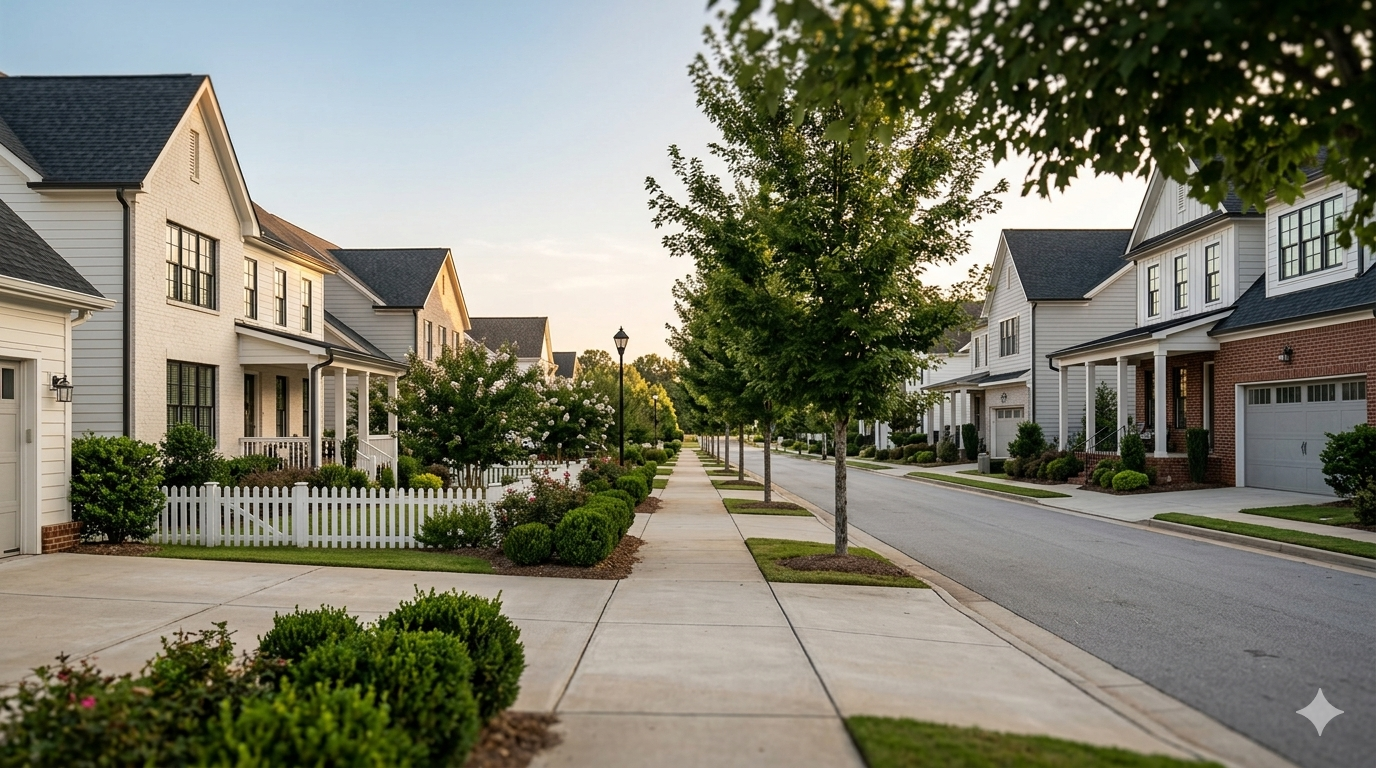
When tenants have more options, the condition of the home matters more. A new home starts with new systems and finishes, which can reduce repair work between tenants. Our guide to buying new construction as a rental property covers the maintenance and turnover side in more detail.
"Location and product decide your vacancy more than any national number," De Bruin said. "A well-built home on a good street, priced right, gives tenants a reason to choose it."
Where location fits
Red Cedar Homes builds in the Charlotte, Greenville, and Spartanburg markets. For buyers who want to own a rental, there are three ways to exit or hold: sell with your agent or ours, lease through Red Cedar Homes, or hold the home yourself. You can see what is ready now on our available homes page, or review homes on individual homesites on our Curated Homes page.
Frequently asked questions
What is the rental vacancy rate right now?
The Census Bureau put the national rental vacancy rate at 7.6% for the third quarter of 2026, up from 7.1% a year earlier. The South held at 9.2%, the highest of any region.
How much vacancy should I plan for on a new rental?
That is your call, based on local data. Start with what property managers near the home report, set your assumption at or above it, and add a separate lease-up period for the first tenant.
Does a higher vacancy rate mean I should not buy a rental?
Not on its own. It means your model should be conservative. If the numbers still work with more vacancy, a longer lease-up, and a move-in concession, the deal has a margin of safety.
Talk to an expert
If you are weighing a new home as a rental in our markets, talk to an expert on our team or call 980-890-9381. We can walk you through the homes, locations, and options available now.
Sources
Figures as of November 2026. This is general information, not legal or tax advice. Talk to your attorney or CPA about your situation.