Red Cedar Homes
New Construction: 10 Tips | Red Cedar Homes
Thinking about building instead of buying resale? From builder pricing to HOA fees, here's what to know before you commit to a new construction home.
10 Things to Know Before Buying a New Construction Home
Buying a home is one of the biggest financial decisions you'll ever make, and if you're considering a new construction home, the process looks a little different than buying a resale property. From understanding builder pricing to knowing what's included in your home, asking the right questions upfront can save you time, money, and unnecessary stress.
Across the Greenville, South Carolina, and Charlotte, North Carolina, areas, new-construction communities continue to attract buyers looking for modern floor plans, energy-efficient features, and the opportunity to personalize a home before moving in. But before signing a contract, it's important to understand how the process works and what to expect along the way.
Whether you're a first-time homebuyer or looking for your next home, here are 10 things every buyer should know before purchasing a new construction home.
1. Research the Builder
Not all builders are the same. Before falling in love with a floor plan, take time to learn about the company building the home.
Read online reviews, ask how long they've been building in the area, visit completed communities, and don't hesitate to ask about their warranty process or customer service after closing. A reputable builder should be transparent and willing to answer your questions throughout the process.
2. Understand What's Included in the Price
The advertised home price isn't always the final price.
Ask what's included as standard and what costs extra. Features like upgraded flooring, countertops, lighting, appliances, or premium lots may increase the purchase price.
It's also helpful to ask about closing costs, incentives, and any builder promotions that may be available. Understanding these details early helps you build a realistic budget and avoid surprises later.
3. Be Prepared for a Flexible Timeline
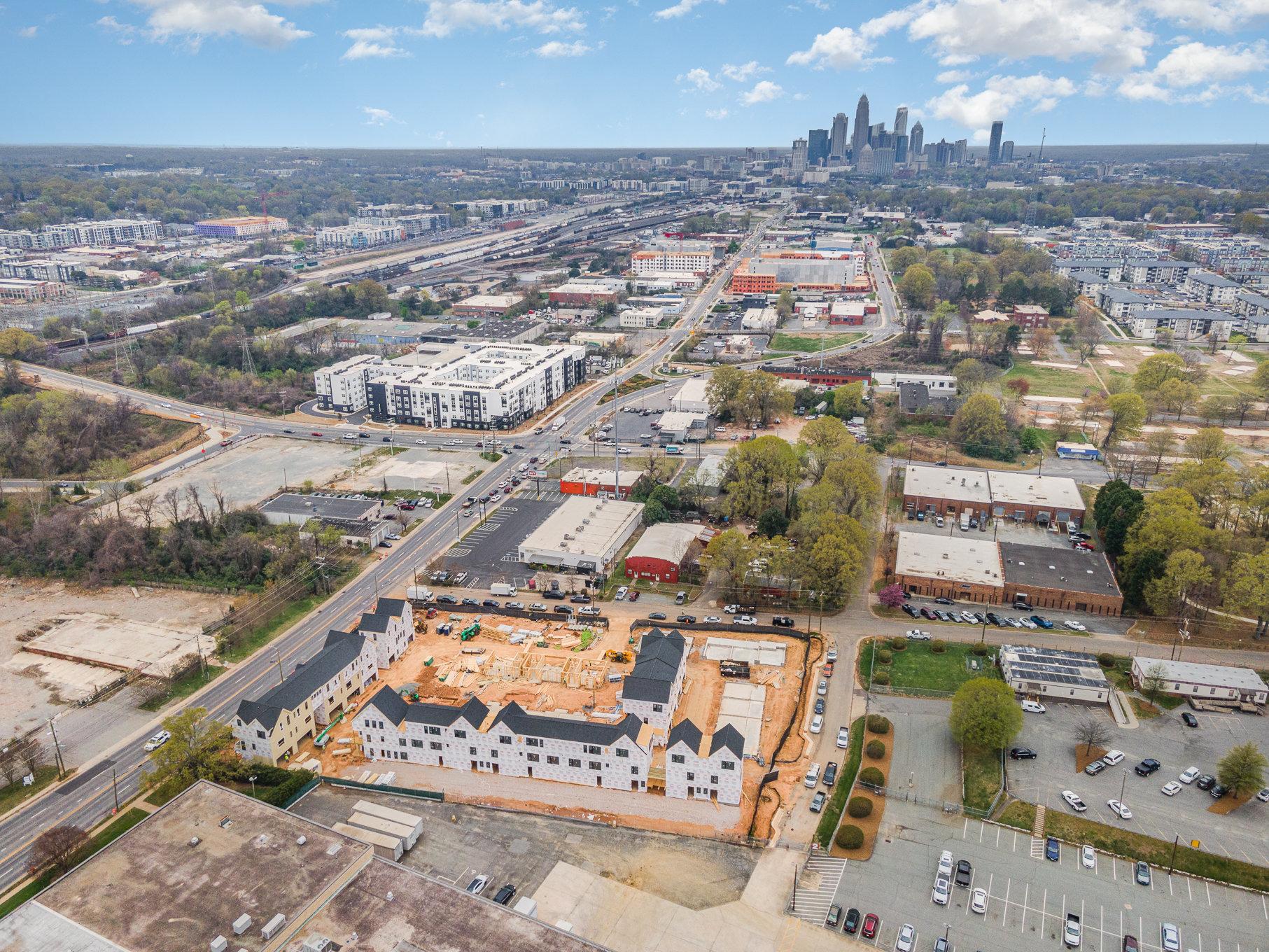
Unlike buying an existing home, a new construction home may still be under construction when you purchase it.
Weather, inspections, permits, and material availability can all affect the completion date. While builders provide estimated timelines, it's smart to leave some flexibility, especially if you're coordinating the sale of your current home or the end of a lease.
4. Don't Skip the Home Inspection
A brand-new home still deserves an independent inspection.
Even though homes undergo multiple inspections during construction, hiring your own licensed home inspector provides another layer of confidence before closing.
Many buyers choose to schedule a pre-drywall inspection, followed by a final inspection before closing. Catching potential issues early can make the move-in process much smoother.
5. Understand Your Builder's Warranty
Every builder offers different warranty coverage, so it's important to understand exactly what's included.
Ask questions like:
What is covered?
How long does the coverage last?
How are warranty requests handled after closing?
Knowing what to expect before moving in helps you feel more confident long after you've received your keys.
6. Learn About HOA Fees
Many new construction communities include a homeowners association (HOA).
HOA fees can help maintain common areas, amenities, landscaping, neighborhood entrances, and other shared spaces. Before purchasing, ask what the monthly or annual fee includes and whether there are any anticipated increases as the community grows.
7. Research the Community and Surrounding Area
While it's easy to focus on the home itself, don't forget to evaluate the neighborhood.
Consider questions like:
How long is the commute to work?
What schools serve the community?
Are shopping, restaurants, parks, or healthcare nearby?
What future development is planned for the area?
A great location can add long-term value and improve your day-to-day lifestyle.
8. Compare Your Financing Options
Many builders work with preferred lenders and may offer incentives such as closing cost assistance or interest rate promotions.
While these offers can be valuable, it's still worth comparing rates from other lenders to ensure you're choosing the financing option that best fits your needs.
Taking time to explore your options can potentially save you money over the life of your loan.
9. Budget for More Than the Purchase Price
There are often additional expenses after buying a new construction home that first-time buyers don't always expect.
These may include:
Window blinds or shades
Landscaping upgrades
Fencing
Appliances (if not included)
Moving expenses
Internet or utility setup
Planning for these costs ahead of time helps make your transition into your new home much less stressful.
10. Think About Long-Term Value
Even if you plan to stay in your home for many years, it's wise to think about future resale value.
Communities located near growing job markets, expanding infrastructure, quality schools, and desirable amenities often maintain strong long-term appeal.
Choosing the right location can be just as important as choosing the right floor plan.
Final Thoughts
Buying a new construction home offers many advantages, from modern layouts and energy-efficient features to the opportunity to personalize your space before moving in. Like any major investment, however, the experience is best when you understand the process before signing a contract.
By researching your builder, understanding what's included in the price, planning for additional costs, and asking the right questions along the way, you'll be better prepared to make a confident decision.
If you're beginning your search for a new construction home in Greenville, SC or the Charlotte area, our team at Red Cedar Homes is always happy to answer questions about the building process, available communities, and what to expect throughout your homebuying journey.