Red Cedar Homes
Representing Buyers on New Construction: Questions to Ask the Builder
The builder's sales agent works for the builder. These are the price, incentive, contract, and inspection questions your buyer needs answered before signing.
“When you represent a buyer on a new home, you bring the questions that help your client buy with confidence. The builder’s on-site team represents the builder, and a good builder welcomes your questions. Most are worth settling before your client signs. If you bring clients to Red Cedar Homes, register first through the Realtor referral program.
Who represents whom on a new home
Start by settling roles in writing. The rules differ by state.
National: Since August 17, 2024, NAR's practice changes require a written buyer agreement before your buyer tours a home.
South Carolina: The Real Estate Commission states that South Carolina has no builder's exemption. A builder's agent in SC must hold a license and follow SC license law, including the brokerage relationships disclosure at the first practical opportunity.
North Carolina: G.S. 93A-2(c)(1) exempts an owner entity selling its own property, and the exemption extends to its officers and W-2 employees. The person in an NC model home may be a builder employee, not a licensee.
Ask the builder for its agent registration policy in writing. Registration rules vary by builder, so get the policy before your client visits a model or sales office alone.
Buyer agent new construction checklist: price and inclusions
Ask each question and get the answer in the contract or an addendum, not in a brochure.
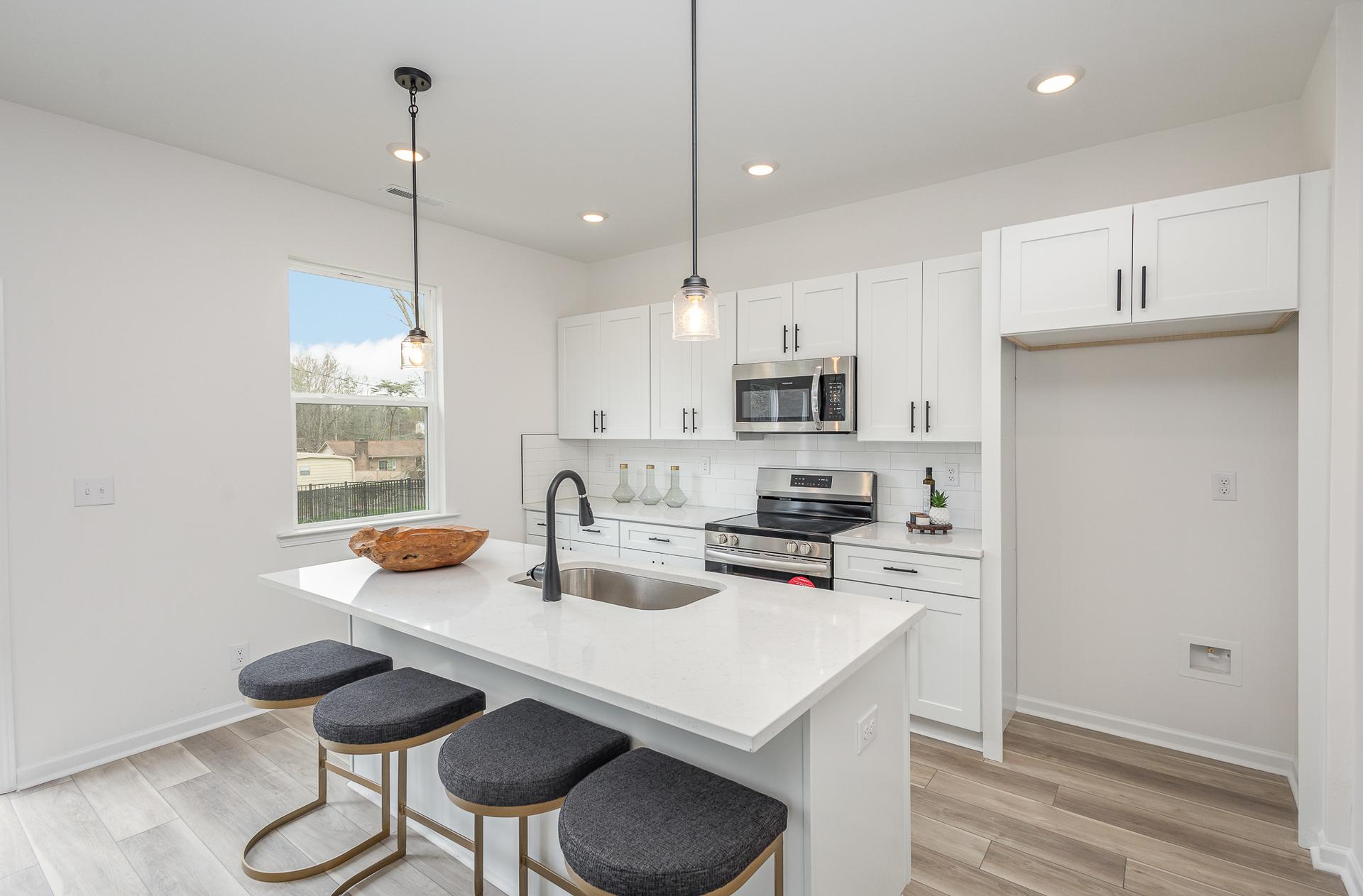
What does the base price include? Get the standard features list for the plan and the finish level. Compare it line by line with the guide to what is included in a new construction price.
Is there a lot premium? Ask whether a premium applies to this homesite, what it is, and whether it is in the quoted price. Red Cedar reviews homesites, lot premiums, and orientation in the first step of its homebuyer process.
Are options priced before contract? When options are priced before contract, your client signs knowing the final number.
Is the price fixed at signing? Check for any escalation clauses tied to material costs.
How are change orders priced, and when is the cutoff? Ask what a change costs after the cutoff and whether it moves the completion date.
Incentives and the preferred lender
When an incentive is tied to a preferred lender or title company that is affiliated with the builder, federal rules set limits on how that works.
Disclosure: Under RESPA Regulation X, 12 CFR 1024.15, a referral to an affiliated settlement provider requires a written disclosure of the arrangement.
No required use: The referring party cannot require your client to use the affiliate. Under the definition in 12 CFR 1024.2, a package or discount is not a required use only if it is optional to the purchaser.
True discount: The same definition says the discount must be a true discount below prices otherwise generally available, and must not be made up by higher costs elsewhere in the settlement.
So ask: What is the incentive worth in dollars? What does the client give up by using an outside lender? Does the incentive have written terms and an expiration date? Then compare the preferred lender's Loan Estimate with one from an outside lender. The guides to builder incentives and rate buydowns and closing costs on new construction in SC and NC show how to compare offers.
Contract, deposits, and delays
Every builder uses its own purchase agreement. Review these terms with your client before signing:
Deposit: How much, when it becomes nonrefundable, and who holds it.
Contingencies: Is there a financing contingency? An appraisal contingency? A contingency for the sale of your client's current home?
Completion date: Is it a firm date or an estimate? What happens if it slips, and can your client exit?
Rate lock: If the build runs long, who pays to extend the lock?
Financing: What happens to the deposit if financing falls through?
What to request in place of a seller disclosure
Both states exempt the first sale of a never-inhabited home from the standard seller disclosure. In North Carolina, G.S. 47E-2(b)(1) exempts it from the residential property disclosure, but not from the mineral and oil and gas rights disclosure. In South Carolina, S.C. Code § 27-50-30 lists the first sale of a dwelling never inhabited as exempt. Ask for permits, inspection results, and any soil or drainage reports instead.
Construction, inspections, and warranty
Ask how your client will see the home while it is built, not only at the end.
Updates: How often, and in what form? Red Cedar sends photo updates at milestones such as framing, mechanical rough-in, drywall, and cabinetry.
Builder inspections: What does the builder inspect, and when? Red Cedar runs multiple quality inspections during construction and a detailed walkthrough before closing.
Your client's inspector: Can a private inspector attend a pre-drywall inspection and the final? Get the answer in writing, with any scheduling rules.
Warranty: What is covered, for how long, and how are claims filed? Red Cedar takes warranty requests through its warranty request page.
The homesite and the community
Which way does the home face, and how does the lot drain?
What is planned on the vacant land next to the homesite?
What do the recorded covenants allow? Ask for the declaration, not a summary. Check fences, parking, outbuildings, and leasing.
What are the HOA dues, and what do they cover?
If your buyer is also an investor, the rental questions are in the Realtor's guide to selling new construction to investors.
Frequently asked questions
Does the builder's sales agent represent the buyer?
The on-site agent represents the builder. In South Carolina that person must be licensed and must give the brokerage relationships disclosure. In North Carolina the person may be an exempt builder employee. Either way, your buyer needs their own agent to ask the questions in the checklist and negotiate for them.
Do I need a buyer agreement before touring a model home?
Yes, if you are an MLS participant under the NAR practice changes. Since August 17, 2024, agents working with a buyer must have a written buyer agreement before the buyer tours a home.
Can a buyer use their own lender and still get builder incentives?
Ask the builder in writing. Under RESPA rules, an affiliated lender cannot be required, and any package or discount must be optional and a true discount. An incentive can still be tied to a preferred lender. Compare the total cost, not the incentive alone.
Do new homes come with a seller disclosure statement in SC or NC?
Usually not. Both states exempt the first sale of a dwelling never inhabited from the standard disclosure statement. North Carolina still requires the mineral and oil and gas rights disclosure. Ask the builder for permits and inspection records instead.
Join the Realtor program
Red Cedar Homes builds in Charlotte, Greenville, and Spartanburg, with a stated price and options priced before contract. Register with the Red Cedar Homes Realtor program, choose Realtor Partnership on the form, and ask for the program terms in writing. Or call 980-890-9381.
Sources
National Association of REALTORS, final reminder of August 17 practice change implementation
CFPB, Regulation X § 1024.15, Affiliated business arrangements
N.C. General Statutes Chapter 47E, Residential Property Disclosure Act
SC Real Estate Commission, Disclosure Exemptions (S.C. Code § 27-50-30)
Figures as of October 2026. This is general information, not legal or tax advice. Talk to your attorney or CPA about your situation.