Red Cedar Homes
Quick Move-In vs. To-Be-Built: Timelines and Tradeoffs
A quick move-in home closes on the mortgage timeline; a to-be-built home takes months. Compare timing, rate locks, choices, and inspections.
A quick move-in home is already built or close to finished, so you can close in about the time it takes to get a mortgage. A to-be-built home starts when you sign, so you choose the homesite, plan, and options, and you wait months for it. The quick move in homes vs build decision comes down to three things: how soon you need to move, how much you care about choosing, and how much rate and timing risk you can carry.
Red Cedar Homes sells both. Its available homes are tagged by status, including Move-In Ready, and its to-be-built process runs about 24 weeks.
Quick move in homes vs build: the core tradeoffs
Timeline: a quick move-in closes on the mortgage timeline. A to-be-built home closes when construction is done and the final inspections pass.
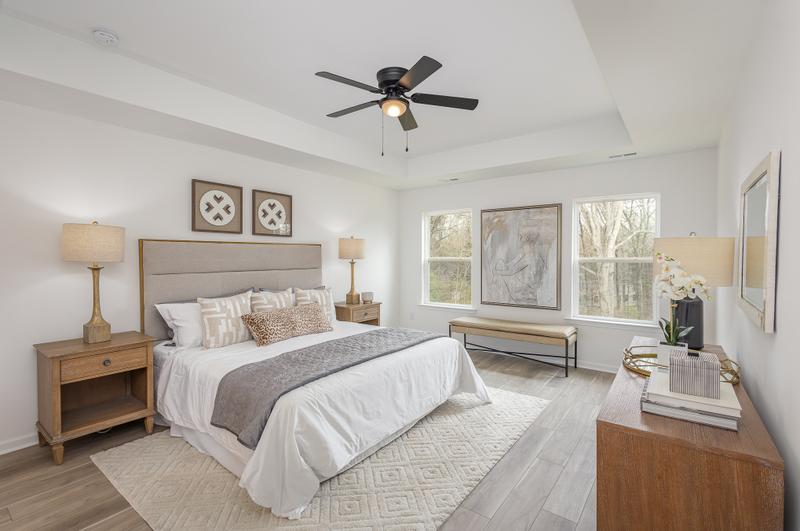
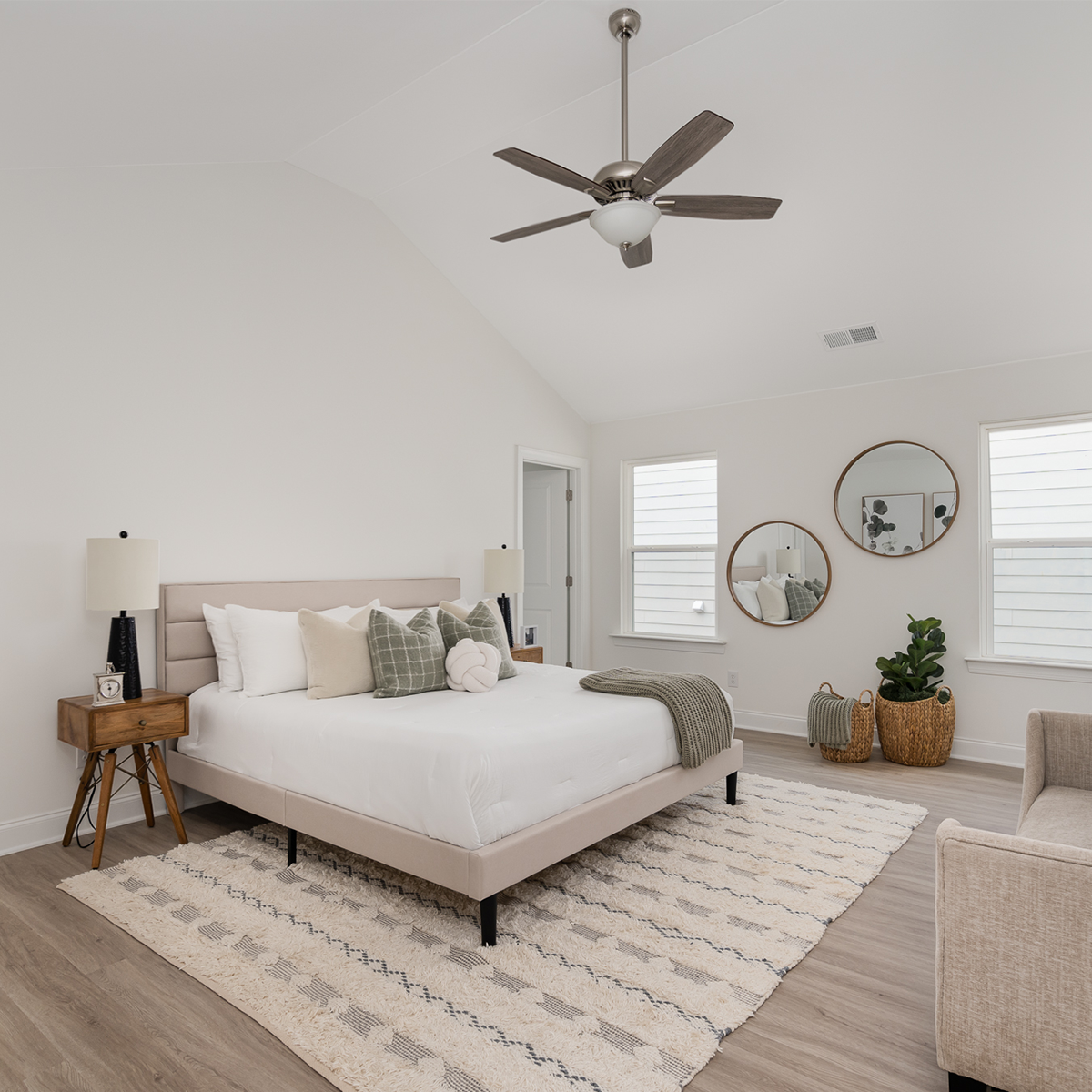
Choice: a quick move-in is ready with its homesite, plan, and finishes already selected.
Price: a quick move-in has one price for a finished house. A to-be-built price grows with each option you add, so get every option priced before you sign.
Interest rate: a quick move-in can close inside a standard rate lock. A to-be-built home usually needs a longer lock or a decision to float the rate.
Seeing the work: a quick move-in is finished when you see it. A to-be-built home lets you watch it go up and inspect before the walls close.
How long each path takes
Quick move-in
If the home is finished, the schedule is set by your loan, your appraisal, and the closing attorney. If it is still under construction, ask for the expected completion date in writing and what happens to your contract if it slips.
To-be-built
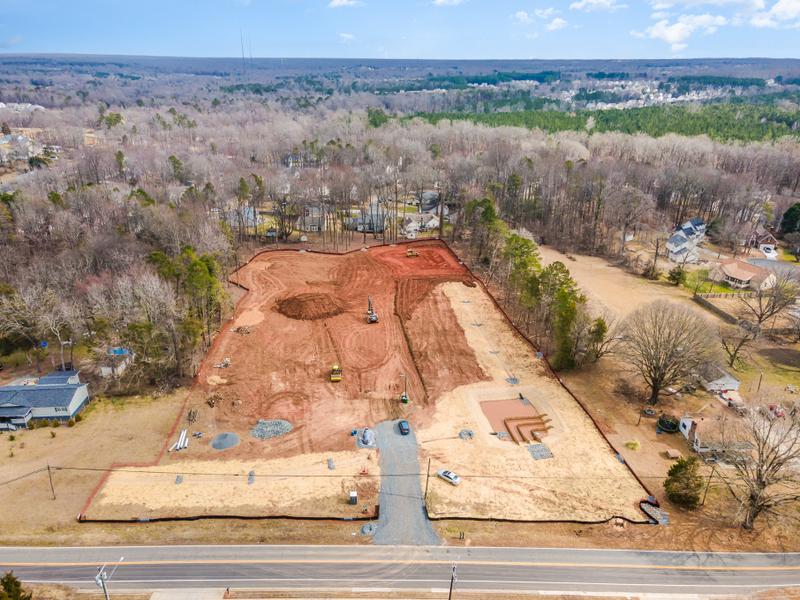
Red Cedar's to-be-built process runs in seven steps over about 24 weeks:
Select your community and homesite: weeks 1 to 2.
Choose your floor plan and selections: weeks 2 to 4.
Contract and financing: weeks 3 to 5.
Permitting and site preparation: weeks 5 to 8.
Construction and updates: weeks 8 to 20.
Quality inspections and final walkthrough: weeks 20 to 22.
Closing: weeks 22 to 24.
Permitting time depends on the jurisdiction. Greenville County Building Safety, for example, takes permits only through its eTrakit system and lists a five-day processing period for permits to be issued.
For a national benchmark, the U.S. Census Bureau's start-to-completion table shows an average of 7.2 months from start to completion for single-family homes built for sale in the South in 2022, the latest year in that table. That count starts at the foundation, not at contract.
Rate locks: the biggest cost difference
A rate lock means your interest rate will not change between the offer and closing, as long as you close inside the lock window and your application does not change. The Consumer Financial Protection Bureau says locks are typically available for 30, 45, or 60 days, sometimes longer, and that extending one may be expensive. Your Loan Estimate does not show what an extension would cost.
Quick move-in: a 30 to 60 day lock usually covers you. You know your payment before you commit.
To-be-built: ask your lender about an extended lock that covers the full build, what it costs, and whether you can float down if rates fall. If you float instead, you carry the risk that rates rise before closing.
Builder incentives can change this math. A rate buydown on a quick move-in home can lower the payment you lock today. See how builder incentives and rate buydowns compare.
What you can choose with each
To-be-built
You pick the homesite first. In Red Cedar's process, the sales team reviews homesites, lot premiums, and orientation with you in the first two weeks. Then you choose the plan and selections. Options are priced before contract, so the price you sign is the price of the house you chose. Read what is included in a new construction price before you add options.
Quick move-in
The selections are done for you. Red Cedar's Curated Homes are individual homesites and quick move-in opportunities, each built from a Red Cedar floor plan with a designer-curated interior finish package. If the home is not finished, ask which selections are still open and what each one costs.
Watching the build and inspections
On a to-be-built home, you can see the work at stages that are hidden later. Red Cedar sends photo updates at milestones such as framing, mechanical rough-in, drywall, and cabinetry, with scheduled walkthroughs, then runs quality inspections and a final walkthrough before closing. If you plan to hire your own inspector, agree in writing on when the inspector can visit, especially before drywall.
On a finished quick move-in home, your inspector reviews the completed house, and you can ask for the builder’s inspection records and the county’s final inspection to see what happened before the walls closed.
Which fits your situation
A quick move-in home fits when:
Your lease ends or your current home is sold within a few months.
You want to know your rate and payment before you commit.
The home's plan, finishes, and homesite already match what you want.
A to-be-built home fits when:
You can carry your current housing for about six months.
A specific homesite, plan, or option matters more than speed.
You can lock long or accept rate risk until closing.
Before you decide, add up the cash each path needs. A longer build can mean months of rent or a second payment. Plan for closing costs on new construction in South Carolina and North Carolina either way.
Frequently asked questions
Are quick move-in homes cheaper than building?
It depends on the comparison. A quick move-in price includes the homesite and options the builder already chose, so compare it with the to-be-built price of the same plan with the same options on a similar homesite. Then add the cost of waiting: rent, a rate lock extension, or a second payment during the build. The cheaper path is the one with the lower total, not the lower list price.
How long does it take to build a new home?
Red Cedar's to-be-built process runs about 24 weeks from homesite selection to closing, in seven steps. Census Bureau data for 2022 put the average start-to-completion time for a single-family home built for sale in the South at 7.2 months, counted from the start of construction. Weather, permits, and option choices can move any schedule.
Can I change anything in a quick move-in home?
It depends on how far along the home is. A finished home is ready as-built; any changes come after closing. A home still under construction may have selections left, such as paint or flooring, before those trades start. Ask the builder which choices are still open, what each costs, and whether any change moves the closing date.
Is it better to buy a quick move-in or build?
Buy quick move-in when timing and payment certainty matter most and the home fits. Build when the homesite, plan, or options matter more, and you can carry housing costs and rate risk for about six months. Price both paths in total dollars, including the cost of waiting, before you choose.
Begin the conversation
Red Cedar Homes builds in Greenville, Spartanburg, and Charlotte. See every home available now with its status, or browse the floor plan library if you want to build. Then contact the Red Cedar team or call 980-890-9381 to compare a finished home with the same plan built new.
Sources
Consumer Financial Protection Bureau, What's a lock-in or a rate lock?
U.S. Census Bureau, New Residential Construction, Length of Time
Figures as of October 2026. This is general information, not legal or tax advice. Talk to your attorney or CPA about your situation.